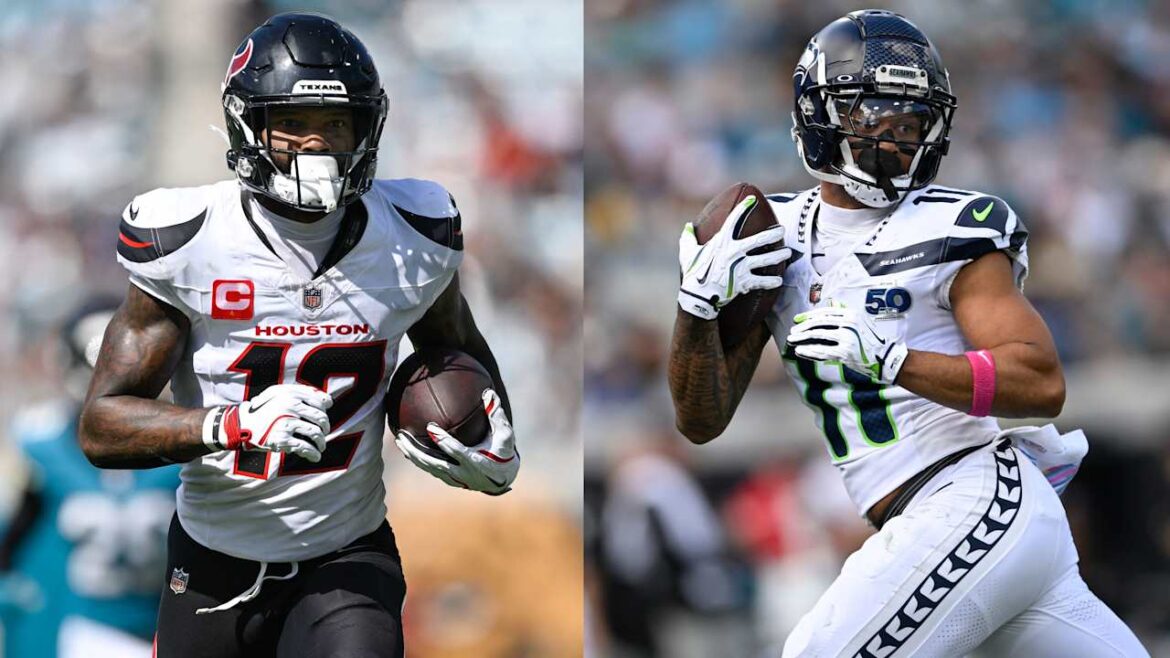
The Texans vs Seahawks match player stats tell a detailed story far beyond the final score, revealing how individual performances shaped momentum, strategy, and ultimately the outcome of the game. When Houston and Seattle collide, the matchup always brings together contrasting styles—Houston’s evolving offense paired with Seattle’s traditionally physical defense and explosive skill players. In this game, every quarter showcased critical player contributions, with quarterbacks, skill-position stars, linemen, and defenders all leaving a statistical footprint that defined the contest. This article breaks down the Texans vs Seahawks match player stats in depth, focusing on how each unit performed and how those performances influenced the flow of the game from kickoff to the final whistle.
Quarterback Performances and Passing Efficiency
Quarterback play stood at the center of the Texans vs Seahawks match player stats, as both teams leaned heavily on their signal-callers to set the tempo and execute game plans. The Texans quarterback demonstrated poise in the pocket, delivering accurate throws on short and intermediate routes while avoiding costly mistakes. His completion percentage reflected strong decision-making, particularly on third downs where sustaining drives was essential. He spread the ball efficiently across multiple receivers, preventing Seattle’s defense from locking onto a single target.
On the opposite sideline, the Seahawks quarterback showcased experience and arm strength, attacking Houston’s secondary with deep passes and play-action throws. His yardage total was boosted by several explosive plays, especially on early downs where Seattle looked to establish rhythm. While pressure from the Texans’ defensive front forced him into a few hurried throws, his overall passing efficiency remained high, highlighting his ability to adapt under pressure. The Texans vs Seahawks match player stats at quarterback illustrate a duel of composure versus aggression, with both approaches finding success at different moments of the game.
Running Backs and Ground Game Impact
The ground battle played a significant role in the Texans vs Seahawks match player stats, as both teams sought balance between passing and rushing attacks. Houston’s running backs combined vision and patience, consistently finding creases created by solid offensive line play. Their rushing totals may not have dominated the stat sheet, but timely runs on second and short situations kept the offense ahead of the chains. One Texans running back in particular stood out with yards after contact, turning modest gains into drive-sustaining plays.
Seattle’s rushing attack leaned more toward power and explosiveness. The Seahawks’ lead back recorded several chunk runs that shifted field position and energized the crowd. His ability to break tackles and reach the second level forced Houston’s linebackers to play more conservatively, opening up opportunities in the passing game. The Texans vs Seahawks match player stats clearly show that while neither team relied exclusively on the run, effective rushing performances were essential in controlling pace and keeping defenses honest.
Wide Receivers and Receiving Production
Wide receiver production was a highlight of the Texans vs Seahawks match player stats, with both teams showcasing dynamic playmakers. Houston’s receiving corps emphasized precision route running and timing. Their top receiver consistently found soft spots in zone coverage, finishing with a high reception total and critical third-down catches. Secondary receivers also contributed, ensuring that the Texans’ passing attack remained unpredictable throughout the game.
Seattle’s receivers delivered explosive performances, with one standout wideout recording multiple long receptions that stretched the field. His speed and ability to track the ball deep challenged Houston’s secondary, resulting in significant yardage gains. Slot receivers for the Seahawks played an equally important role, converting short passes into meaningful gains and serving as reliable targets in high-pressure situations. When analyzing Texans vs Seahawks match player stats, the receiving numbers reflect two distinct philosophies: Houston’s methodical ball movement versus Seattle’s big-play potential.
Tight Ends and Red Zone Contributions
Tight ends often serve as unsung heroes, and the Texans vs Seahawks match player stats underline their importance, especially in the red zone. Houston’s tight end unit contributed with key receptions on play-action passes, exploiting mismatches against linebackers. One tight end in particular emerged as a reliable safety valve for the quarterback, catching several passes in traffic and providing valuable yards after the catch.
Seattle’s tight ends played a critical role near the goal line, using size and strength to win contested catches. Their blocking contributions also supported the Seahawks’ rushing attack, sealing edges and creating running lanes. While tight end yardage totals may not have led the box score, their situational impact was undeniable. The Texans vs Seahawks match player stats show that success in critical moments often comes from players who do the subtle but essential work.
Offensive Line Performance and Protection Metrics
The performance of both offensive lines significantly influenced the Texans vs Seahawks match player stats. Houston’s line demonstrated improved cohesion, limiting sacks and providing a stable pocket for much of the game. Their ability to handle Seattle’s pass rush allowed the quarterback to progress through reads and maintain rhythm. Run blocking was equally effective, particularly in short-yardage situations where execution mattered most.
Seattle’s offensive line faced a tougher challenge against Houston’s aggressive front. While they surrendered pressure at times, they also delivered key blocks that enabled explosive plays. Adjustments in the second half improved pass protection, allowing the Seahawks quarterback more time to exploit downfield opportunities. The Texans vs Seahawks match player stats reflect how line play, often overlooked, can shape the success or struggles of skill-position players.
Defensive Line and Pass Rush Impact
Defensive pressure was a defining element in the Texans vs Seahawks match player stats, with both teams generating disruption at crucial moments. Houston’s defensive line recorded multiple pressures and sacks, particularly on third downs. Their interior linemen excelled at collapsing the pocket, forcing Seattle’s quarterback to move laterally and throw off balance. These efforts didn’t always result in sacks but consistently altered passing lanes.
Seattle’s defensive front responded with physicality and intensity, targeting Houston’s quarterback with blitz packages and edge rushers. One Seahawks defender stood out with a high pressure rate, consistently winning one-on-one matchups. The Texans vs Seahawks match player stats for defensive linemen highlight how pressure metrics—hurries, hits, and sacks—often matter as much as raw tackle totals.
Linebackers and Defensive Versatility
Linebacker play added another layer to the Texans vs Seahawks match player stats, as both teams relied on versatility and awareness. Houston’s linebackers excelled in coverage, limiting yards after catch and closing quickly on short passes. Their tackling efficiency helped prevent Seattle’s playmakers from turning small gains into explosive plays.
Seattle’s linebackers balanced run defense with pass coverage, recording several tackles for loss and key pass breakups. Their ability to read plays and react quickly disrupted Houston’s offensive rhythm, particularly in the middle of the field. The Texans vs Seahawks match player stats demonstrate that linebacker contributions often appear across multiple categories, reflecting their all-around impact on the game.
Secondary Performance and Coverage Statistics
The secondary units played a crucial role in shaping the Texans vs Seahawks match player stats, especially against talented receivers. Houston’s defensive backs focused on disciplined coverage, minimizing blown assignments and forcing contested catches. While they conceded some big plays, their overall coverage grades reflected solid positioning and timely pass deflections.
Seattle’s secondary leaned on physical coverage and ball-hawking instincts. One defensive back recorded multiple passes defended, showcasing anticipation and route recognition. Interception opportunities were limited, but the Seahawks’ ability to contest throws helped slow Houston’s passing efficiency in key moments. The Texans vs Seahawks match player stats for defensive backs underscore how coverage effectiveness often goes beyond interceptions alone.
Special Teams Contributions and Hidden Yardage
Special teams may not dominate headlines, but they significantly influenced the Texans vs Seahawks match player stats through field position and momentum shifts. Houston’s kicker delivered consistent accuracy, converting field goals and extra points that kept pressure on Seattle. The punter’s directional kicks pinned the Seahawks deep, forcing long drives and increasing defensive leverage.
Seattle’s return game added excitement, with one returner producing notable yardage that set up favorable offensive positions. Their kicker also performed reliably, maintaining scoring efficiency whenever opportunities arose. The Texans vs Seahawks match player stats highlight how special teams can quietly swing games through execution and discipline.
Turnovers, Penalties, and Discipline Metrics
Discipline and ball security were critical themes within the Texans vs Seahawks match player stats. Houston protected the football effectively, limiting turnovers and capitalizing on Seattle mistakes. Penalty counts remained manageable, allowing the Texans to maintain offensive flow and defensive integrity.
Seattle faced challenges with penalties at inopportune times, extending Houston drives and negating positive plays. Turnover statistics reflected moments where aggressive playmaking carried risk. The Texans vs Seahawks match player stats show that beyond athletic performance, discipline and decision-making often determine close contests.
Third-Down Efficiency and Situational Execution
Situational football defined many aspects of the Texans vs Seahawks match player stats, particularly on third downs. Houston converted a high percentage of third-down attempts through quick reads and precise route execution. These conversions extended drives, rested the defense, and contributed to time-of-possession advantages.
Seattle’s third-down efficiency fluctuated, with success coming primarily through explosive plays rather than sustained drives. Defensive stops by Houston on third downs limited Seattle’s scoring opportunities. The Texans vs Seahawks match player stats in this category emphasize the importance of execution during the game’s most pivotal moments.
Red Zone Performance and Scoring Efficiency
Red zone execution stood out in the Texans vs Seahawks match player stats as a key differentiator. Houston maximized scoring opportunities by finishing drives with touchdowns rather than settling for field goals. Play-calling creativity and player execution combined to exploit mismatches near the goal line.
Seattle experienced mixed results in the red zone, converting some opportunities but leaving points on the field during others. Defensive stands by Houston forced tougher decisions and limited scoring efficiency. The Texans vs Seahawks match player stats reveal how red zone performance often separates winning teams from those left chasing points.
Time of Possession and Game Control
Time of possession figures added context to the Texans vs Seahawks match player stats, illustrating which team controlled the game’s tempo. Houston’s sustained drives contributed to longer possession times, wearing down Seattle’s defense and dictating pace. This control allowed Houston to manage momentum and reduce Seattle’s offensive opportunities.
Seattle relied on quick-strike plays, resulting in shorter possessions but higher yards per play. While effective at times, this approach also meant fewer total plays and less control over game flow. The Texans vs Seahawks match player stats show how contrasting styles can coexist within a single game, each with its own strengths and vulnerabilities.
Individual Standout Performances
Several individual performances emerged as defining elements in the Texans vs Seahawks match player stats. Houston’s quarterback and top receiver formed a productive connection, consistently moving the chains and producing scoring drives. Defensively, a Texans pass rusher delivered a standout performance with pressures and tackles for loss that disrupted Seattle’s offense.
For Seattle, a wide receiver’s explosive yardage and a linebacker’s all-around defensive impact stood out. These individual efforts kept the Seahawks competitive and showcased the roster’s talent depth. The Texans vs Seahawks match player stats highlight how star performances can elevate team play even in tightly contested games.
Coaching Decisions and Strategic Adjustments
Coaching strategies influenced the Texans vs Seahawks match player stats as much as on-field execution. Houston’s coaching staff emphasized balance and adaptability, adjusting play-calling based on defensive looks. This approach resulted in efficient drives and favorable matchups for key players.
Seattle’s coaches responded with aggressive adjustments, increasing blitz frequency and targeting mismatches in the passing game. While some risks paid off, others contributed to penalties or missed opportunities. The Texans vs Seahawks match player stats reflect how coaching decisions directly shape player outcomes and overall team performance.
Comparative Team Statistics and Overall Analysis
When comparing overall team metrics within the Texans vs Seahawks match player stats, Houston held advantages in efficiency and discipline, while Seattle excelled in explosive play potential. Yardage totals, completion percentages, and turnover margins all contributed to the final outcome. Each statistical category provides insight into how the game unfolded and why certain moments proved decisive.
The Texans vs Seahawks match player stats collectively illustrate a game defined by balance versus explosiveness, discipline versus aggression. Both teams showcased strengths and exposed areas for improvement, offering valuable lessons for future matchups. By examining individual and team statistics in detail, fans and analysts gain a deeper understanding of how this contest was won and lost, making the Texans vs Seahawks matchup another compelling chapter in NFL competition.
Conclusion
The Texans vs Seahawks match player stats provide a clear and comprehensive picture of how the game was shaped by execution, discipline, and timely individual performances. Houston’s ability to balance offense, protect the football, and convert critical situations allowed it to control tempo and maximize scoring opportunities. Their quarterback’s efficiency, dependable receiving options, and disciplined defensive play collectively formed a structured approach that limited mistakes and sustained momentum throughout the contest.
Ultimately, the Texans vs Seahawks match player stats highlight that success in such closely contested games is determined not by one standout metric, but by how effectively a team performs across all phases—offense, defense, and special teams. Houston’s consistency and situational awareness proved decisive, while Seattle’s flashes of brilliance underscored both their strengths and areas needing refinement.