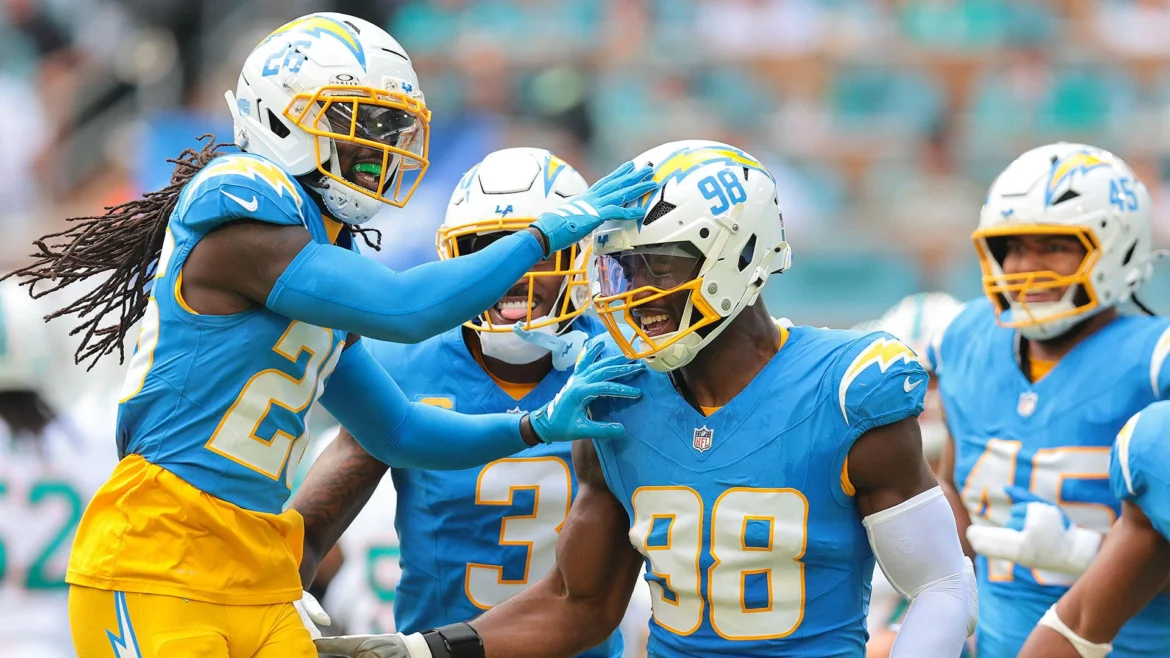
The Chargers vs Miami Dolphins matchup delivered a compelling showcase of modern NFL football, blending high-speed offense, tactical defense, and standout individual performances that shaped the outcome. This game was not just about the scoreboard; it was about how key players executed their roles under pressure, how coaching strategies translated onto the field, and how statistics revealed the deeper story behind every drive. From the opening kickoff to the final whistle, both teams demonstrated why player stats are essential for understanding momentum shifts, efficiency, and impact beyond highlight reels.
Quarterback Performances Define the Tone of the Game
The Chargers vs Miami Dolphins match player stats begin with the quarterbacks, as both offenses relied heavily on their signal-callers to control tempo and exploit defensive weaknesses. The Chargers quarterback displayed poise in the pocket, completing a high percentage of passes while consistently pushing the ball downfield. His passing yards reflected a balance between short, efficient throws and serious attempts that stretched the Dolphins’ secondary. Touchdown efficiency in the red zone stood out, as he capitalized on favorable matchups, while his low interception count underscored disciplined decision-making throughout the game.
On the Dolphins’ side, their quarterback showcased speed, accuracy, and confidence, particularly on quick-release passes designed to neutralize the Chargers’ pass rush. His completion rate was impressive, especially on third downs, where timing routes kept drives alive. Passing yards accumulated rapidly due to explosive plays, and his touchdown passes highlighted chemistry with wide receivers. However, pressure from the Chargers occasionally forced hurried throws, which slightly impacted his overall efficiency and revealed areas where protection could have been stronger.
Running Back Contributions Shape Offensive Balance
A major storyline within the Chargers vs Miami Dolphins match player stats was the contribution of running backs and how effectively each team established the ground game. The Chargers’ lead running back delivered consistent yardage, demonstrating vision and patience behind the offensive line. His rushing attempts steadily wore down the Dolphins’ defensive front, while yards after contact showcased his physicality. Additionally, his involvement in the passing game added versatility, turning short dump-offs into meaningful gains and keeping the Dolphins’ linebackers honest.
Miami’s running backs brought speed and creativity, using zone runs and misdirection to find open lanes. Their rushing yards per carry were solid, reflecting effective blocking schemes and decisive cuts. One back, in particular, stood out with explosive runs that flipped field position and energized the offense. Even when the Chargers adjusted defensively, Miami’s backs remained productive through screen passes and outside runs, proving crucial in sustaining offensive rhythm.
Wide Receiver Matchups Highlight Explosive Playmaking
Wide receivers played a pivotal role in the Chargers vs Miami Dolphins match player stats, as both teams leaned heavily on aerial attacks. The Chargers’ top receiver posted significant receiving yards, consistently winning one-on-one matchups and showing elite route-running precision. His ability to create separation allowed the quarterback to trust tight-window throws, while his yards after catch added an extra dimension to the offense. Secondary receivers also contributed, spreading the field and preventing Miami from focusing coverage on a single target.
Miami’s wide receivers were equally impressive, showcasing speed that challenged the Chargers’ defensive backs throughout the game. Their top receiver delivered a standout performance, accumulating high receiving yards through deep routes and crossing patterns that exploited defensive gaps. Touchdown receptions demonstrated not just athleticism but awareness, particularly in finding soft spots in zone coverage. The Dolphins’ depth at wide receiver ensured that even when coverage tightened, production continued from multiple targets.
Tight Ends Provide Reliability and Red Zone Efficiency
Tight ends may not always dominate headlines, but the Chargers vs Miami Dolphins match player stats highlighted their importance, especially in crucial situations. The Chargers’ tight end was a reliable safety valve, contributing steady receptions and converting key third downs. His blocking also played a role in successful rushing plays, emphasizing his all-around impact. In the red zone, his physical presence created mismatches against smaller defenders, leading to valuable scoring opportunities.
Miami’s tight end complemented the passing game by offering dependable hands and disciplined route execution. While his receiving yards were moderate compared to those of wide receivers, his catches often came at pivotal moments, sustaining drives and maintaining momentum. His blocking assignments were equally critical, providing additional protection for the quarterback and opening lanes for the running game.
Offensive Line Performance Influences Game Flow
An often-overlooked aspect of the Chargers vs Miami Dolphins match player stats is offensive line play, which directly influenced quarterback efficiency and rushing success. The Chargers’ offensive line demonstrated solid pass protection, limiting sacks and allowing deeper routes to develop. Their ability to maintain pocket integrity gave the quarterback confidence and time, resulting in higher completion percentages and fewer rushed decisions.
Miami’s offensive line faced a tougher challenge against a persistent Chargers pass rush but still delivered commendable performances. Adjustments in blocking schemes helped reduce pressure as the game progressed, while run blocking improved significantly in the second half. These efforts contributed to sustained drives and prevented the Chargers from fully controlling the line of scrimmage.
Defensive Line and Pass Rush Impact the Stat Sheet
Defensive contributions are a crucial part of the Chargers vs Miami Dolphins match player stats, particularly from the defensive lines. The Chargers’ pass rush was effective in disrupting Miami’s quarterback, recording multiple sacks and quarterback hits. Their defensive linemen demonstrated strong gap discipline against the run, limiting big gains and forcing Miami into predictable passing situations.
Miami’s defensive front responded with pressure of their own, targeting the Chargers’ quarterback with blitz packages and stunts that created confusion. Sacks and tackles for loss reflected their aggressiveness, while disciplined edge containment reduced the effectiveness of outside runs. These defensive efforts kept the game competitive and influenced offensive play-calling on both sides.
Linebacker Play Balances Run Defense and Coverage
Linebackers played a significant role in the Chargers vs Miami Dolphins match player stats by balancing run defense with pass coverage responsibilities. The Chargers’ linebackers were active, leading the team in tackles and displaying sideline-to-sideline speed. Their ability to diagnose plays quickly helped limit Miami’s rushing success and disrupted short passing routes over the middle.
Miami’s linebackers matched that intensity, contributing both in stopping the run and dropping into coverage against tight ends and running backs. Their tackle counts reflected consistent involvement, while pass breakups and quarterback pressures showcased versatility. This balanced performance prevented the Chargers from fully exploiting intermediate zones of the field.
Secondary Performances Highlight Coverage and Turnovers
The Chargers vs Miami Dolphins match player stats reveal how defensive backs influenced momentum through coverage and turnover opportunities. The Chargers’ secondary maintained disciplined coverage, limiting yards after catch and contesting throws effectively. An interception and multiple pass deflections highlighted their awareness and ability to capitalize on mistakes.
Miami’s defensive backs were equally impactful, using physical coverage to disrupt timing routes and force contested catches. Their pass breakup numbers demonstrated active hands and anticipation, while a crucial turnover shifted momentum at a key point in the game. These secondary performances underscored the importance of coverage execution in high-scoring matchups.
Special Teams Contributions Affect Field Position
Special teams are often overlooked, but the Chargers vs Miami Dolphins match player stats emphasize their importance in determining field position and momentum. The Chargers’ kicker delivered accuracy on field goal attempts, providing valuable points and maintaining scoreboard pressure. Punting efficiency also stood out, pinning Miami deep in their own territory and forcing long drives.
Miami’s special teams unit responded with solid kickoff returns and dependable kicking performance. Return yards helped set up favorable starting positions, while disciplined coverage limited the Chargers’ return opportunities. These contributions, although subtle, played a significant role in shaping the game’s flow.
Third-Down Efficiency and Red Zone Execution
A deeper dive into the Chargers vs Miami Dolphins match player stats reveals the importance of situational efficiency. The Chargers converted a strong percentage of third downs, thanks to precise passing and smart play design. Red zone execution was particularly effective, with touchdowns replacing field goal attempts and maximizing scoring potential.
Miami also demonstrated resilience on third downs, using quick passes and quarterback mobility to extend drives. While red zone efficiency was slightly lower, creative play-calling and individual effort ensured points on critical possessions. These situational stats highlight how execution under pressure defines outcomes.
Time of Possession and Offensive Rhythm
Time of possession statistics provide insight into how the Chargers vs Miami Dolphins match player stats reflect offensive rhythm and control. The Chargers maintained balanced possession, mixing run and pass plays to sustain drives and rest their defense. This approach limited Miami’s opportunities and kept the game within manageable tempo.
Miami, known for explosive plays, had shorter but impactful drives. While time of possession was slightly lower, efficiency per drive remained high, demonstrating their ability to score quickly. This contrast in offensive styles added strategic depth to the matchup.
Penalties and Discipline Influence Momentum
Discipline is a hidden factor within the Chargers vs Miami Dolphins match player stats. The Chargers committed fewer penalties, maintaining offensive rhythm and avoiding costly setbacks. This discipline allowed them to capitalize on scoring opportunities and sustain defensive stops.
Miami’s penalty count was slightly higher, resulting in extended drives for the Chargers and stalled possessions at crucial moments. While not overwhelming, these penalties influenced field position and momentum, illustrating how discipline can impact close games.
Coaching Strategies Reflected in Player Statistics
Coaching decisions are often revealed through player stats, and the Chargers vs Miami Dolphins match player stats illustrate this clearly. The Chargers emphasized balanced offense and situational awareness, reflected in efficient rushing attempts and controlled passing. Defensive adjustments limited explosive plays in the second half, showcasing adaptability.
Miami’s coaching staff leaned into speed and creativity, designing plays that maximized their athletes’ strengths. Player stats reflected this philosophy, with high yards per play and diverse target distribution. These strategic choices shaped the game’s narrative and individual performances.
Standout Individual Performances Define the Matchup
Several individual performances stood out in the Chargers vs Miami Dolphins match player stats, highlighting players who exceeded expectations. The Chargers’ quarterback and top receiver formed a dynamic connection, while their lead running back provided consistent production. Defensively, a standout pass rusher influenced multiple drives with pressure and sacks.
Miami’s offensive stars delivered equally memorable performances, with their quarterback and top receiver combining for explosive gains. A defensive back’s interception and a running back’s big-play ability further defined Miami’s competitiveness. These standout performances added excitement and narrative depth to the game.
Comparative Analysis of Team Efficiency
Comparing team efficiency through the Chargers vs Miami Dolphins match player stats reveals subtle differences that influenced the final result. The Chargers’ efficiency in red zone scoring and third-down conversions gave them a slight edge. Miami’s explosiveness balanced this advantage, keeping the game competitive until late stages.
Efficiency metrics such as yards per play, turnover margin, and scoring efficiency offer a clearer picture of how evenly matched these teams were. The stats suggest a contest decided by execution in key moments rather than overall dominance.
Conclusion: What the Player Stats Reveal About the Game
The Chargers vs Miami Dolphins match player stats provide a comprehensive understanding of a highly competitive NFL showdown. Beyond the final score, these statistics reveal how individual performances, strategic decisions, and situational execution combined to shape the outcome. From quarterback efficiency to defensive resilience and special teams contributions, every aspect of the game is reflected in the numbers.
This matchup demonstrated why player stats remain essential for fans, analysts, and teams alike. They capture the nuances of performance, highlight strengths and weaknesses, and offer insights that go far beyond highlights. Ultimately, the Chargers vs Miami Dolphins game stands as a testament to modern football’s complexity, where every yard, tackle, and decision matters.