The Dallas Mavericks vs Memphis Grizzlies match player stats provided a comprehensive glimpse into how both teams performed during their latest encounter. This matchup, highly anticipated by basketball enthusiasts, was not just about the final score but about individual performances, team dynamics, and strategic execution. Understanding the player stats gives fans, analysts, and coaches critical insights into the strengths, weaknesses, and potential future outcomes for each franchise.
Key Players Making an Impact
In the Dallas Mavericks vs Memphis Grizzlies match player stats, the spotlight naturally falls on the stars of each team. For Dallas, Luka Dončić once again demonstrated why he is considered one of the most talented players in the league. He contributed significantly across points, assists, and rebounds, anchoring the Mavericks’ offense. His court vision and ability to penetrate defensive lines highlighted his versatility and consistency. In contrast, Memphis relied on Ja Morant to energize its offense. Morant’s explosive athleticism, combined with sharp decision-making, allowed him to create scoring opportunities both for himself and his teammates, as reflected in the detailed player stats.
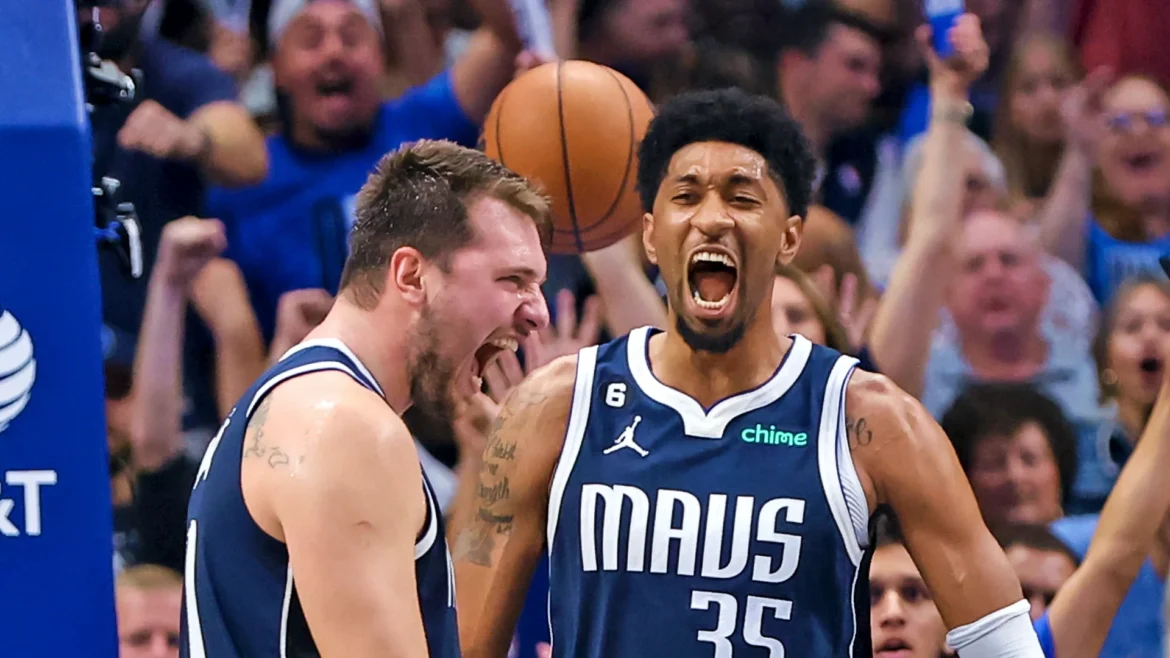
Other contributors on both sides also left a mark. For Dallas, Tim Hardaway Jr. provided crucial perimeter shooting, while Christian Wood dominated in the paint, showing strong rebounding and defensive presence. Memphis saw Dillon Brooks step up with perimeter defense and clutch shooting, complemented by Jaren Jackson Jr.’s rim protection and interior scoring. These individual performances, captured in the Dallas Mavericks vs Memphis Grizzlies match player stats, illustrate the depth and versatility of both rosters.
Scoring Distribution and Efficiency
Analyzing the Dallas Mavericks vs Memphis Grizzlies match player stats highlights the scoring distribution across both teams. Dallas’s scoring was heavily influenced by their primary playmaker, Luka Dončić, who accounted for a significant portion of the total points. However, secondary contributions from Hardaway Jr. and Wood ensured the Mavericks maintained a balanced offensive approach. On the other hand, Memphis’s scoring was more evenly distributed, with Morant, Brooks, and Jackson Jr. all contributing in double figures. This balance allowed the Grizzlies to exploit mismatches and maintain offensive momentum throughout the game.
Shooting efficiency played a critical role in determining the match’s outcome. Field goal percentages, three-point accuracy, and free-throw success rates were all key metrics captured in the Dallas Mavericks vs Memphis Grizzlies match player stats. The Mavericks showcased strong three-point shooting, which helped them keep pace, whereas Memphis relied on mid-range accuracy and high-percentage shots in the paint. Both teams also demonstrated effective ball movement, resulting in assisted baskets and opportunities generated from offensive rebounds.
Rebounding and Defensive Contributions
Defense and rebounding often define the flow of a basketball game, and the Dallas Mavericks vs Memphis Grizzlies match player stats reveal fascinating insights into these aspects. On the Mavericks’ side, Christian Wood and Dorian Finney-Smith dominated the boards, limiting second-chance opportunities for Memphis. Defensive assignments on perimeter shooters, combined with timely rotations, allowed Dallas to disrupt Memphis’s offensive rhythm.
Memphis, in contrast, relied on Jaren Jackson Jr. and Morant’s defensive energy to protect the rim and create turnovers. The player stats indicate several key blocks, steals, and defensive rebounds that kept Memphis competitive throughout the game. This matchup clearly demonstrated how defense can serve as a catalyst for offensive opportunities, highlighting the significance of every player’s contribution beyond just scoring.
Assist Metrics and Playmaking
Playmaking was another crucial factor examined in the Dallas Mavericks vs Memphis Grizzlies match player stats. Luka Dončić’s vision on the court resulted in numerous assists, helping to spread the floor and involve multiple scoring options. Tim Hardaway Jr.’s ability to move without the ball and find open shots complemented Dončić’s playmaking, providing the Mavericks with a more fluid offensive scheme.
For Memphis, Ja Morant’s quick decision-making and dribble penetration created scoring opportunities for his teammates. The assist metrics reveal how he successfully orchestrated plays that maximized team efficiency, especially in transition and pick-and-roll situations. These stats emphasize that basketball is not just about individual talent but also about how effectively players collaborate to optimize scoring opportunities.
Turnovers and Mistake Analysis
Turnovers often shift momentum in a game, and the Dallas Mavericks vs Memphis Grizzlies match player stats highlight critical moments where ball control played a decisive role. Dallas experienced several turnovers under defensive pressure, particularly during transition plays. These mistakes provided Memphis with fast-break opportunities and easy points. Conversely, Memphis had their share of turnovers, often stemming from miscommunication or poor shot selection, which the Mavericks capitalized on to regain control of the game.
Analyzing turnovers and mistakes offers a more nuanced understanding of the matchup. While scoring is often the most visible aspect, these subtle details, as reflected in the Dallas Mavericks vs Memphis Grizzlies match player stats, indicate which team managed risk more effectively and maintained composure under pressure.
Bench Contributions and Depth Analysis
A critical aspect of the Dallas Mavericks vs Memphis Grizzlies match player stats is the impact of bench players. Both teams relied on their second units to maintain momentum when starters rested. Dallas’s bench contributed crucial points and energy, particularly through fast breaks and perimeter shooting. Memphis’s bench players, meanwhile, provided defensive stability and spacing, allowing the starters to remain effective without overexertion.
Bench depth often determines a team’s ability to sustain performance throughout the game. The player stats show that while starters led in scoring and minutes, the contributions from reserve players influenced key stretches, demonstrating the value of a deep roster in high-level basketball.
Clutch Performance and Critical Moments
The Dallas Mavericks vs Memphis Grizzlies match player stats also shed light on clutch performance during critical game moments. In the final quarter, scoring efficiency, defensive stops, and strategic fouls defined the outcome. Luka Dončić’s composure under pressure and Morant’s aggressive drives exemplify how star players influence clutch situations.
The stats indicate which players excelled in high-pressure scenarios, making timely shots or defensive plays that swung momentum. Understanding these moments provides insight into the mental toughness and execution skills of each roster, highlighting why player stats are more than just numbers—they reveal the character and resilience of athletes on the court.
Comparative Analysis: Mavericks vs Grizzlies
By examining the Dallas Mavericks vs Memphis Grizzlies match player stats, we can make a comparative analysis of team performance. Dallas displayed a stronger perimeter shooting game, while Memphis relied on inside scoring and transition points. Defensively, Memphis focused on rim protection and physicality, whereas Dallas emphasized quick rotations and perimeter contests.
These contrasts indicate not only the playing style of each team but also potential adjustments for future encounters. Coaches and analysts can leverage these stats to refine strategies, exploit matchups, and improve both offensive and defensive efficiency.
Advanced Metrics and Player Efficiency
Beyond traditional stats like points and rebounds, advanced metrics provide a deeper understanding of the Dallas Mavericks vs Memphis Grizzlies match player stats. Player Efficiency Rating (PER) is a key metric that captures a player’s overall impact per minute on the court. In this matchup, Luka Dončić posted a high PER, reflecting his contribution not just in scoring but in rebounds, assists, and defensive plays. Ja Morant also showcased a strong PER, demonstrating how his all-around performance was vital for Memphis’s competitiveness.
Usage rate, another crucial metric, highlights how frequently a player is involved in the offense when on the floor. For Dallas, Dončić had the highest usage rate, reinforcing his role as the primary offensive initiator. Memphis showed a more balanced distribution, with Morant and Brooks sharing offensive responsibilities, reflecting the Grizzlies’ approach to multi-player scoring. These advanced stats reveal subtleties that traditional box scores may overlook, providing coaches and analysts a clearer picture of player influence.
Statistical Highlights and Standout Metrics
The Dallas Mavericks vs Memphis Grizzlies match player stats are rich with individual and team highlights. Notable statistics include Luka Dončić’s point-assist-rebound triple threat, Ja Morant’s efficiency rating, Christian Wood’s rebounding dominance, and Jaren Jackson Jr.’s shot-blocking prowess. Field goal percentages, three-point success rates, and free-throw accuracy were all pivotal in shaping the game’s narrative.
Turnover rates, assist-to-turnover ratios, and plus-minus statistics provide a deeper understanding of each player’s overall impact. These stats are crucial for fans, commentators, and analysts seeking to evaluate performance comprehensively.
Implications for Future Matches
The insights derived from the Dallas Mavericks vs Memphis Grizzlies match player stats extend beyond a single game. They reveal areas for improvement, such as Dallas’s need to minimize turnovers under pressure or Memphis’s reliance on consistent three-point defense. By studying these stats, both teams can develop tailored strategies, enhance player rotations, and focus on areas requiring tactical adjustments for upcoming matches.
These statistics also provide predictive value, helping fans and analysts anticipate trends in future matchups. Players who consistently perform at a high level may influence team strategies, trade considerations, and lineup rotations.
Conclusion
The Dallas Mavericks vs Memphis Grizzlies match player stats offer a detailed lens through which the dynamics of this high-stakes matchup can be understood. Beyond the scoreboard, these stats highlight individual brilliance, teamwork, strategic execution, and the subtleties that define modern basketball. From star performances to bench contributions, defensive plays to clutch moments, every statistic tells a story about how the game unfolded and why every point, rebound, and assist mattered.
By delving into these stats, fans gain a deeper appreciation of the game, analysts can refine insights, and teams can make informed decisions for future contests. Ultimately, the Dallas Mavericks vs Memphis Grizzlies match player stats demonstrate that basketball is a game of numbers, strategy, and human performance, making each matchup an intricate narrative of athletic skill and tactical brilliance.
Follow Us: FundlyLive