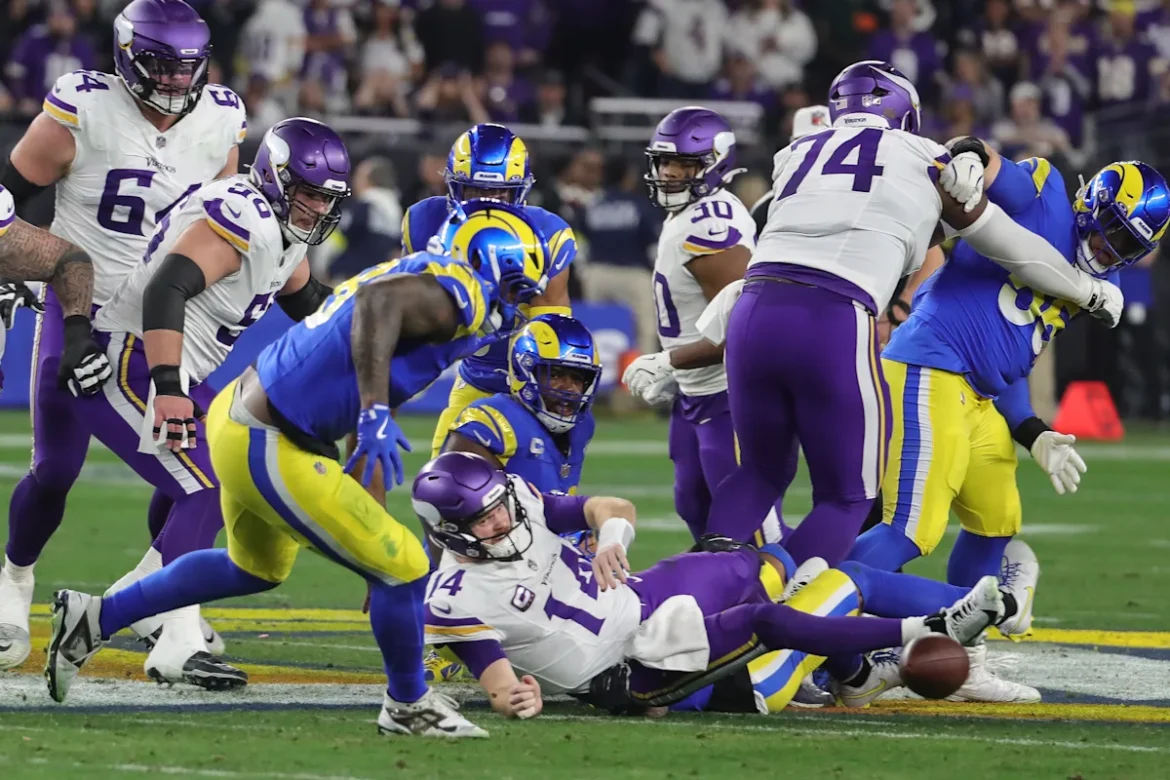
The Minnesota Vikings vs Los Angeles Rams match player stats tell a compelling story of preparation, execution, and individual brilliance from both sides. This matchup showcased how contrasting styles can collide on the field, with Minnesota emphasizing structured offensive drives and defensive discipline, while Los Angeles leaned on explosive playmaking and adaptive schemes. Player statistics from this game go beyond basic box scores, revealing momentum shifts, key matchups, and moments that defined the contest. Every completion, tackle, and yard gained contributed to a narrative that fans and analysts continue to dissect in detail.
Quarterback Performances and Passing Efficiency Breakdown
When examining the Minnesota Vikings vs Los Angeles Rams match player stats, quarterback play stands out as a defining factor. The Vikings quarterback demonstrated composure in the pocket, delivering accurate throws under pressure and effectively reading defensive coverages. Completion percentage remained high throughout the game, particularly on intermediate routes that sustained long drives. On the Rams’ side, their quarterback balanced aggression with precision, launching deep passes that stretched the Vikings’ secondary while also capitalizing on quick-release throws to counter defensive blitzes. Passing yards, touchdown-to-interception ratios, and third-down efficiency all highlight how both signal-callers influenced the pace and outcome of the matchup.
Running Game Impact and Rushing Statistics Analysis
Rushing performance played a crucial role in shaping the flow of the Minnesota Vikings vs Los Angeles Rams match player stats. The Vikings’ running backs focused on consistency, grinding out yards between the tackles to control time of possession and wear down the Rams’ defensive front. Their rushing stats reflected steady gains, with multiple carries exceeding five yards that kept the offense on schedule. Conversely, the Rams utilized a more dynamic rushing approach, incorporating outside zone runs and misdirection to exploit defensive gaps. These strategies resulted in fewer carries overall but higher yards per attempt, emphasizing efficiency over volume.
Wide Receivers and Tight Ends Receiving Contributions
The receiving corps on both teams delivered standout performances that heavily influenced the Minnesota Vikings vs Los Angeles Rams match player stats. Minnesota’s wide receivers showcased crisp route-running and reliable hands, converting crucial third downs and red-zone opportunities. Their tight ends also played a significant role, acting as safety valves and red-zone targets that added balance to the passing attack. For Los Angeles, explosive wide receivers made their presence felt with long receptions that shifted momentum in an instant. Tight end involvement added another layer, particularly in play-action situations where linebackers were drawn in, allowing receivers to exploit open zones.
Offensive Line Performance and Protection Metrics
Offensive line statistics are often overlooked, but they are essential to understanding the Minnesota Vikings vs Los Angeles Rams match player stats. The Vikings’ offensive line excelled in pass protection, allowing their quarterback ample time to survey the field and minimize sacks. Run-blocking efficiency also stood out, creating clear lanes for ball carriers to gain consistent yardage. The Rams’ offensive line faced a tougher challenge against Minnesota’s pass rush but adapted by adjusting protection schemes and utilizing quick passes. These adjustments are evident in pressure rates, quarterback hits allowed, and overall offensive efficiency.
Defensive Standouts and Tackling Statistics
Defensive player stats from the Minnesota Vikings vs Los Angeles Rams matchup highlight the intensity and physicality of the game. Vikings defenders recorded high tackle counts, particularly at the linebacker position, demonstrating disciplined gap control and pursuit. Key tackles for loss disrupted the Rams’ offensive rhythm and forced longer down-and-distance situations. Rams defenders responded with aggressive play, generating pressures, sacks, and timely tackles that halted Minnesota drives. Defensive stats such as total tackles, solo versus assisted stops, and quarterback pressures reveal how both units adjusted throughout the game.
Secondary Play and Coverage Effectiveness
The battle in the secondary was a critical aspect of the Minnesota Vikings vs Los Angeles Rams match player stats. Minnesota’s defensive backs focused on limiting big plays, maintaining tight coverage, and forcing contested catches. Passes defended and limited yards after catch highlight their effectiveness. The Rams’ secondary, meanwhile, capitalized on opportunities to jump routes and disrupt timing, recording pass breakups that prevented potential scoring drives. Interception statistics and passer ratings allowed when targeted provide deeper insight into how each secondary influenced the passing game.
Turnovers, Interceptions, and Ball Security Metrics
Turnovers often swing momentum, and the Minnesota Vikings vs Los Angeles Rams match player stats reflect how ball security impacted the game’s outcome. Minnesota emphasized protecting the football, limiting fumbles, and making smart decisions under pressure. When turnovers did occur, they were often the result of exceptional defensive plays rather than mistakes. The Rams aggressively pursued takeaways, forcing hurried throws and attacking the ball carrier to create opportunities for fumbles. Interception stats, forced fumbles, and recovery numbers illustrate how turnover battles shaped field position and scoring chances.
Special Teams Performance and Hidden Yardage
Special teams stats add another dimension to the Minnesota Vikings vs Los Angeles Rams match player stats. Minnesota’s kicking unit delivered reliable field goals and extra points, ensuring that scoring opportunities were maximized. Punt coverage limited return yardage, maintaining a favorable field position. The Rams countered with dynamic return specialists who consistently gained positive yardage, setting up advantageous starting positions for the offense. Kick return averages, net punting yards, and field goal accuracy collectively demonstrate the importance of special teams execution in this matchup.
Red Zone Efficiency and Scoring Opportunities
Red zone performance is a key indicator of offensive success, and the Minnesota Vikings vs Los Angeles Rams match player stats highlight contrasting approaches. The Vikings favored methodical execution, using balanced play-calling to convert red zone visits into touchdowns or high-percentage field goals. The Rams relied on creativity, incorporating motion and misdirection to create mismatches near the goal line. Red zone touchdown percentages, target distribution, and rushing attempts inside the 20-yard line reveal how each team capitalized on scoring chances.
Coaching Decisions Reflected in Player Statistics
Coaching strategies are often reflected in player stats, and the Minnesota Vikings vs Los Angeles Rams match player stats offer clear evidence of tactical planning. Minnesota’s emphasis on ball control and defensive stability is apparent in time of possession and low turnover numbers. The Rams’ willingness to take calculated risks is evident in deep pass attempts and aggressive fourth-down decisions. These coaching philosophies influenced individual player usage, snap counts, and situational performance metrics throughout the game.
Comparative Player Efficiency Metrics and Advanced Stats
Advanced analytics provide deeper insight into the Minnesota Vikings vs Los Angeles Rams match player stats. Metrics such as yards per play, expected points added, and success rate illustrate efficiency beyond traditional box scores. Vikings players excelled in sustaining drives, reflected in high success rates on early downs. Rams players stood out in explosive play metrics, generating significant yardage on fewer plays. These advanced stats help contextualize individual performances within the broader team strategies.
Key Matchups That Defined Individual Player Outcomes
Specific player matchups heavily influenced the Minnesota Vikings vs Los Angeles Rams match player stats. Battles between top wide receivers and cornerbacks determined passing efficiency, while trench warfare between offensive linemen and defensive fronts dictated rushing success. Linebackers matched against tight ends created mismatches that were exploited at various points in the game. These individual duels are reflected in target counts, yards allowed, and pressure rates, highlighting how one-on-one battles can shape overall statistics.
Injury Impact and Rotation Effects on Player Stats
Injuries and player rotations also played a role in shaping the Minnesota Vikings vs Los Angeles Rams match player stats. Substitutions in key positions altered defensive assignments and offensive timing, leading to noticeable shifts in performance metrics. Minnesota managed rotations effectively, maintaining consistency despite personnel changes. The Rams adjusted by increasing snap counts for versatile players capable of filling multiple roles. Snap distribution and late-game performance stats reveal how depth and adaptability influenced the matchup.
Time of Possession and Drive Sustainability Insights
Another important layer of the Minnesota Vikings vs Los Angeles Rams match player stats emerges when analyzing time of possession and drive sustainability. Minnesota’s offensive unit excelled at maintaining long, methodical drives that consumed the clock and limited the Rams’ opportunities. This is reflected in average drive length, plays per drive, and time per possession, all of which leaned in favor of the Vikings. The Rams, while possessing the ball for shorter stretches, compensated with higher yards per drive, demonstrating a more aggressive, quick-strike approach. These contrasting possession metrics illustrate how both teams pursued different paths to offensive success.
Fan and Analyst Reactions to Player Statistical Performances
The Minnesota Vikings vs Los Angeles Rams match player stats sparked extensive discussion among fans and analysts alike. Supporters praised standout performances that exceeded expectations, while analysts focused on efficiency metrics and situational execution. The detailed statistical breakdowns fueled debates around quarterback decision-making, defensive adjustments, and special teams impact. These reactions underscore how comprehensive player stats shape public perception and post-game narratives.
Final Statistical Takeaways from the Vikings vs Rams Matchup
The Minnesota Vikings vs Los Angeles Rams match player stats ultimately paint a picture of a tightly contested and strategically rich game. Minnesota’s consistency and discipline are evident in its balanced offensive stats and defensive reliability. Los Angeles’s explosiveness and adaptability shine through in big-play metrics and aggressive defensive numbers. Together, these statistics provide a complete understanding of how individual performances combined to create a memorable matchup that will be analyzed long after the final whistle.