Introduction
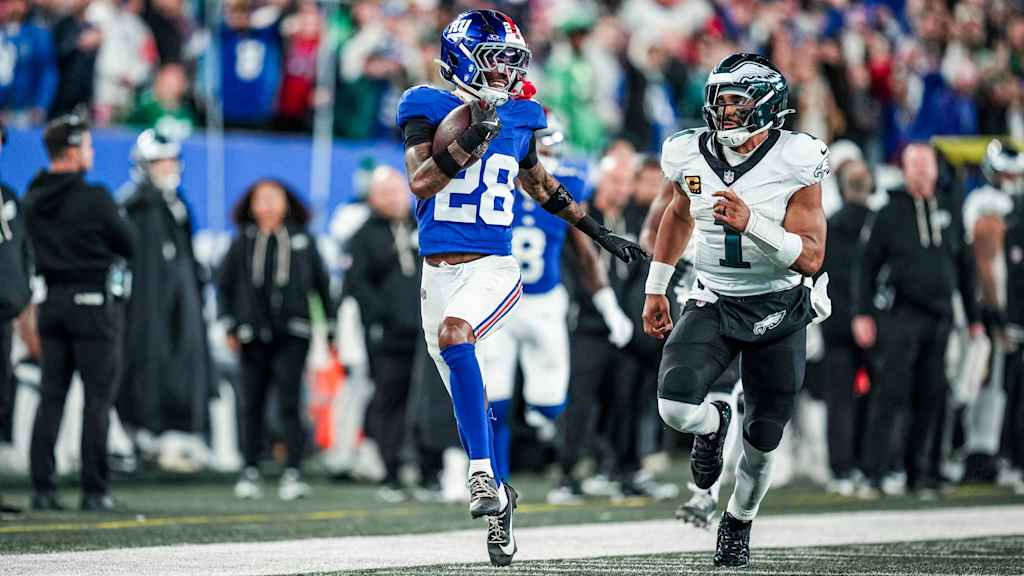
The Philadelphia Eagles vs New York Giants match player stats tell a story that goes far beyond the final score, capturing the intensity, rivalry, and individual brilliance that define one of the NFL’s most historic matchups. Every time these NFC East rivals meet, the game carries playoff implications, emotional weight, and a microscope on star performances.
In this matchup, both teams showcased contrasting styles, with Philadelphia leaning on explosive offense and disciplined defense, while New York focused on resilience, adaptability, and moments of individual brilliance. By analyzing player stats in detail, fans gain a deeper understanding of how the game unfolded, who influenced momentum, and why certain plays ultimately decided the outcome.
Quarterback Performances and Passing Efficiency
Quarterback play stood at the heart of the Philadelphia Eagles vs New York Giants match player stats, with both signal-callers shaping the game in distinct ways. The Eagles’ quarterback demonstrated elite command of the offense, completing a high percentage of passes while spreading the ball effectively across the field. His stat line reflected not only strong yardage totals but also efficiency in crucial third-down situations, where accurate throws extended drives and kept the Giants’ defense on the field.
On the other side, the Giants’ quarterback displayed grit under pressure, frequently escaping collapsing pockets and making throws on the run. While his passing yards were slightly lower, his ability to limit turnovers and convert key red-zone opportunities kept New York competitive deep into the game.
Rushing Attack and Ground Game Impact
The rushing stats from the Philadelphia Eagles vs New York Giants match player stats highlight a fascinating contrast in offensive philosophy. Philadelphia’s running backs benefited from a well-coordinated offensive line, consistently finding gaps and pushing the pile for extra yards after contact. Their combined rushing total reflected balance and patience, forcing the Giants to respect play-action and opening up opportunities downfield.
Meanwhile, New York leaned heavily on their featured back, who delivered a physical performance marked by tough inside runs and critical first downs. Although the Giants’ rushing totals were slightly lower, the efficiency of their ground game helped control tempo and kept the Eagles’ pass rush in check for stretches of the contest.
Receiving Corps and Target Distribution
Wide receivers and tight ends played a decisive role in shaping the Philadelphia Eagles vs New York Giants match player stats, especially in the passing game. The Eagles’ receiving unit showcased depth and versatility, with multiple players recording significant yardage and touchdown contributions. Short-yardage completions moved the chains, while explosive plays down the sideline energized the crowd and shifted momentum.
The Giants’ receivers, meanwhile, focused on precision and timing, exploiting mismatches in coverage and capitalizing on defensive lapses. Though New York recorded fewer explosive plays overall, their receivers’ reliability on intermediate routes helped sustain drives and kept the Eagles’ secondary under constant pressure.
Offensive Line Performance and Protection Metrics
The offensive line stats from the Philadelphia Eagles vs New York Giants match player stats reveal how trench play influenced every aspect of the game. Philadelphia’s line excelled in pass protection, limiting quarterback pressures and allowing routes to fully develop. Their ability to win one-on-one matchups translated into fewer sacks and a consistent offensive rhythm. Conversely, the Giants’ offensive line faced a tougher challenge, contending with aggressive blitz packages and a relentless pass rush. Despite allowing more pressure, they showed resilience by adjusting protections and creating enough time for the quarterback to make key throws, particularly in high-leverage situations.
Defensive Front Seven and Tackling Leaders
Defense played a pivotal role in the Philadelphia Eagles vs New York Giants match player stats, especially among the front seven. The Eagles’ defensive linemen dominated stretches of the game, recording multiple tackles for loss and disrupting the Giants’ backfield. Their ability to collapse the pocket forced hurried throws and limited New York’s deep passing options.
Linebackers contributed heavily to tackling totals, demonstrating sideline-to-sideline speed and strong instincts. For the Giants, defensive standouts emerged in run support and pass coverage, with linebackers and edge rushers combining for sacks and quarterback hits that stalled Eagles’ drives at critical moments.
Secondary Play and Coverage Effectiveness
The secondary stats from the Philadelphia Eagles vs New York Giants match player stats illustrate the chess match that unfolded in coverage. Philadelphia’s defensive backs excelled in man-to-man situations, contesting catches and limiting yards after reception. Interceptions and pass breakups shifted momentum and provided the offense with favorable field position.
The Giants’ secondary, though challenged by the Eagles’ dynamic receivers, responded with disciplined zone coverage and timely tackles. Their ability to prevent big plays, especially in the red zone, kept the game within reach and highlighted the importance of situational awareness.
Turnovers and Game-Changing Plays
Turnovers often define rivalry games, and the Philadelphia Eagles vs New York Giants match player stats underscore their impact in this contest. Philadelphia capitalized on forced turnovers, converting defensive takeaways into points and swinging momentum in their favor. Strip sacks, tipped passes, and interceptions reflected a defense playing with anticipation and intensity. The Giants, while committing fewer mistakes overall, struggled to fully exploit their own turnover opportunities. These moments, reflected clearly in the stats, ultimately separated the teams and influenced the outcome.
Special Teams Contributions and Field Position
Special teams statistics are sometimes overlooked, but the Philadelphia Eagles vs New York Giants match player stats show how crucial they were in determining field position. Philadelphia’s return units provided consistent starting spots near midfield, easing the burden on the offense. Accurate kicking and solid punting further tilted the field advantage. New York’s special teams responded with disciplined coverage and reliable kicking, minimizing mistakes and preventing game-breaking returns. Though not flashy, these contributions played a subtle yet significant role in the overall flow of the game.
Red Zone Efficiency and Scoring Metrics
Red zone performance is a key metric in the Philadelphia Eagles vs New York Giants match player stats, revealing how effectively teams turned opportunities into points. Philadelphia excelled in this area, converting a high percentage of red zone trips into touchdowns through creative play-calling and precise execution. New York showed improvement as the game progressed, mixing runs and quick passes to find the end zone. However, stalled drives and field goal attempts highlighted the fine margins that often decide rivalry games.
Time of Possession and Drive Sustainability
Time of possession figures from the Philadelphia Eagles vs New York Giants match player stats reflect contrasting strategies. Philadelphia’s offense sustained long drives, wearing down the Giants’ defense and controlling tempo. Efficient third-down conversions kept the clock moving and limited New York’s offensive opportunities. The Giants, while possessing the ball less overall, focused on efficiency and explosive plays to compensate. These stats underscore how control of the clock can influence momentum and defensive fatigue over the course of a game.
Individual Standout Performances
Several individual performances stood out within the Philadelphia Eagles vs New York Giants match player stats, showcasing star power and emerging talent. Philadelphia’s quarterback and lead receiver delivered numbers that placed them among the league’s top performers for the week. Defensive leaders recorded career-high tackle or sack totals, reinforcing their importance to the team’s identity. For the Giants, a standout running back and a key defensive playmaker delivered performances that kept the game competitive, earning respect despite the final result.
Coaching Decisions Reflected in Player Stats
Coaching strategies are often revealed through statistics, and the Philadelphia Eagles vs New York Giants match player stats provide insight into tactical decisions. Philadelphia’s balanced play-calling resulted in evenly distributed offensive numbers, while defensive adjustments led to increased pressure in the second half. New York’s coaching staff emphasized adaptability, reflected in shifting target shares and defensive alignments. These choices, visible in the stat sheet, highlight how preparation and in-game adjustments shape outcomes.
Injury Impact and Depth Contributions
Injuries inevitably influence player stats, and the Philadelphia Eagles vs New York Giants match player stats reveal how depth players stepped up. Philadelphia’s rotation allowed backups to contribute meaningful snaps without a drop in performance. New York relied on emerging talent to fill gaps, resulting in unexpected statistical contributions from lesser-known players. These moments demonstrated the importance of roster depth in sustaining performance throughout a demanding NFL season.
Comparative Team Statistics and Overall Balance
When comparing overall team metrics, the Philadelphia Eagles vs New York Giants match player stats illustrate Philadelphia’s advantage in efficiency and explosiveness. Higher yards per play, better third-down conversion rates, and fewer penalties reflected a disciplined approach. New York’s stats highlighted competitiveness and resilience, particularly in defensive categories and time-of-possession efficiency. This comparison emphasizes how small statistical edges accumulate to influence the final score.
Historical Context and Rivalry Significance
Placing the Philadelphia Eagles vs New York Giants match player stats within historical context adds depth to their significance. This rivalry has produced countless memorable performances, and the latest matchup continued that tradition. Statistical milestones achieved by players contribute to franchise histories and shape narratives for future encounters. Fans and analysts alike view these numbers not just as data, but as chapters in an ongoing story between two iconic teams.
What the Stats Reveal Moving Forward
Looking ahead, the Philadelphia Eagles vs New York Giants match player stats offer valuable insights into both teams’ trajectories. Philadelphia’s balanced production suggests a roster capable of sustained success, while New York’s flashes of brilliance highlight areas for growth. Coaches will study these numbers to refine strategies, address weaknesses, and build on strengths. For fans, these stats provide a roadmap for what to expect in future matchups.
Final Analysis
The Philadelphia Eagles vs New York Giants match player stats ultimately paint a comprehensive picture of a fiercely contested NFL rivalry. From quarterback efficiency and defensive dominance to special teams precision and coaching strategy, every number contributes to the narrative of the game.
While Philadelphia emerged with statistical and scoreboard advantages, New York’s competitive spirit and standout performances ensured the matchup lived up to its historic reputation. For anyone seeking a deeper understanding of the game, these player stats offer clarity, context, and a lasting record of another memorable chapter in Eagles-Giants history.
Follow Us: FundlyLive